

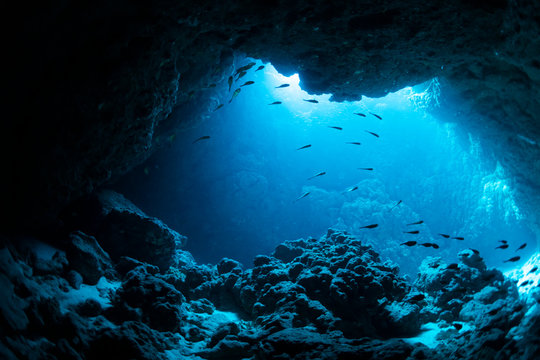
The deep ocean is one of the most mysterious places on Earth. Far below the surface, where sunlight cannot reach, lies a world filled with strange creatures, extreme conditions, and unique ecosystems. Scientists believe that much of the deep ocean still remains unexplored, making it one of the last great frontiers of our planet.
What Is the Deep Ocean?
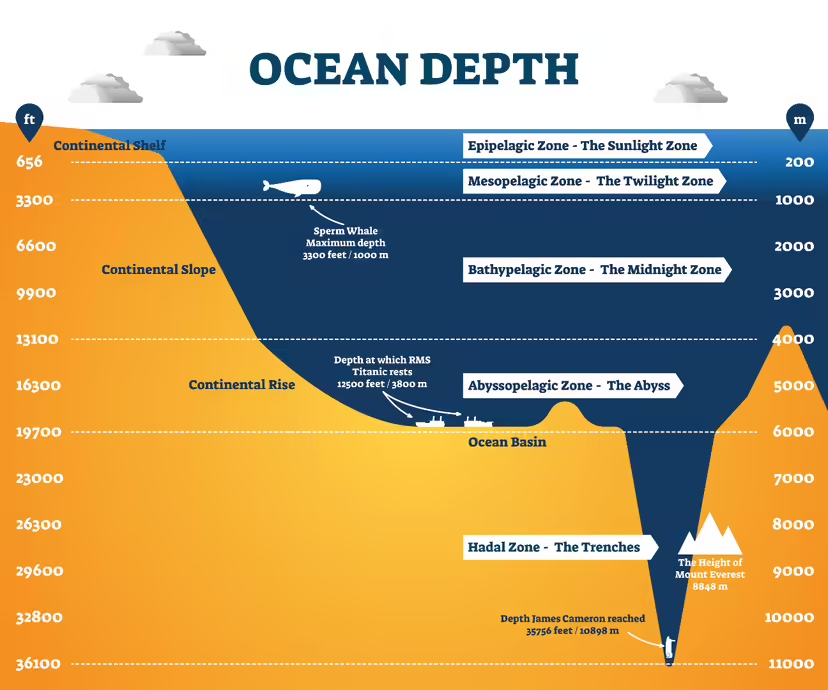
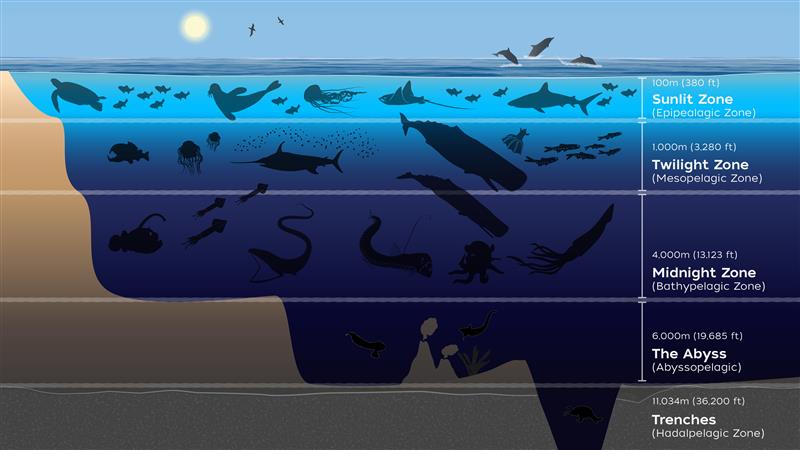
The deep ocean begins at about 200 meters below sea level. At this depth, sunlight fades away, and the environment becomes completely dark. Temperatures are extremely cold, usually between 2°C and 4°C, and the pressure is hundreds of times greater than at the surface.
Despite these harsh conditions, many living organisms have adapted to survive in this hidden world.
Amazing Deep-Sea Creatures
The deep ocean is home to fascinating animals that look very different from creatures found near the surface. Many have glowing bodies, large eyes, or unusual shapes that help them survive in darkness.
Anglerfish
The anglerfish is famous for the glowing lure attached to its head. It uses this light to attract prey in the dark waters.
Giant Squid
The giant squid is one of the largest invertebrates on Earth. It can grow up to several meters long and lives in deep waters far from human sight.
Vampire Squid
Despite its frightening name, the vampire squid is a small and gentle creature. It survives by feeding on tiny particles drifting through the ocean.
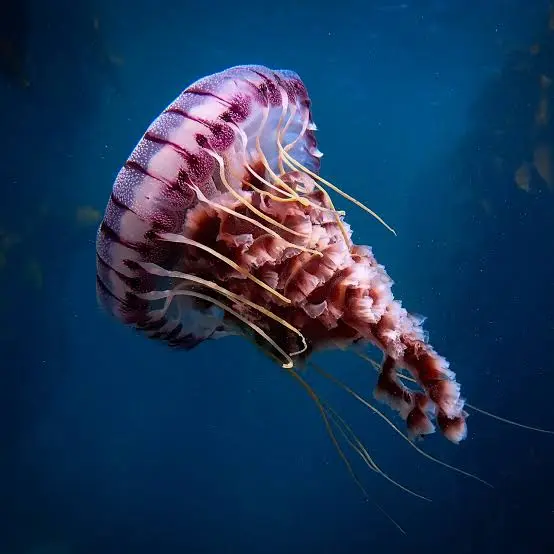
Deep-Sea Jellyfish
Many jellyfish produce beautiful glowing lights through a process called bioluminescence.


Bioluminescence: Nature’s Underwater Light
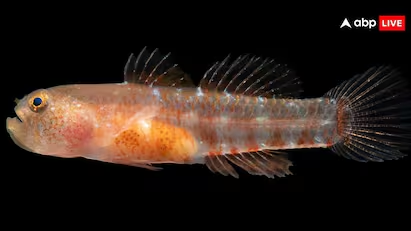
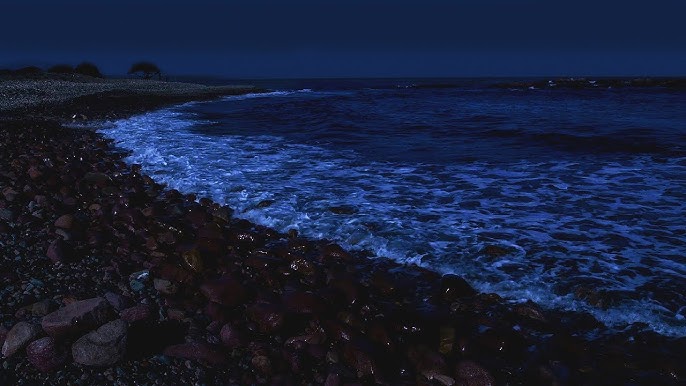
Since sunlight cannot reach the deep ocean, many animals create their own light. This natural glow is called bioluminescence. Animals use it to attract food, communicate, hide from predators, or find mates.
Some fish flash blue or green lights, while others produce glowing patterns on their bodies.

Hydrothermal Vents
One of the most surprising discoveries in the deep ocean was hydrothermal vents. These are cracks on the ocean floor that release extremely hot water filled with minerals. Around these vents, unique ecosystems thrive without sunlight.
Creatures such as tube worms, giant clams, and special bacteria survive using chemicals from the vents instead of energy from the sun.


Importance of the Deep Ocean
The deep ocean plays a major role in maintaining Earth’s climate and supporting marine life. It stores large amounts of carbon dioxide and helps regulate global temperatures. Scientists also study deep-sea organisms to develop medicines and understand how life can survive in extreme environments.
However, the deep ocean faces threats such as pollution, overfishing, and deep-sea mining. Protecting these ecosystems is important for the future of our planet.
Conclusion
Life in the deep ocean is both mysterious and extraordinary. Although this region is dark, cold, and difficult to explore, it is filled with remarkable creatures and ecosystems that continue to amaze scientists. As technology improves, humans are learning more about this hidden world and the important role it plays in Earth’s environment.